
Understanding Distributed Tracing: Optimizing AI Agent Performance


In the dynamic world of artificial intelligence, optimizing the performance of AI agents is crucial for maintaining efficiency and accuracy. One essential technique that has emerged in this domain is distributed tracing. This method allows developers and engineers to monitor and enhance the performance of distributed systems, ensuring that AI agents operate at peak efficiency.
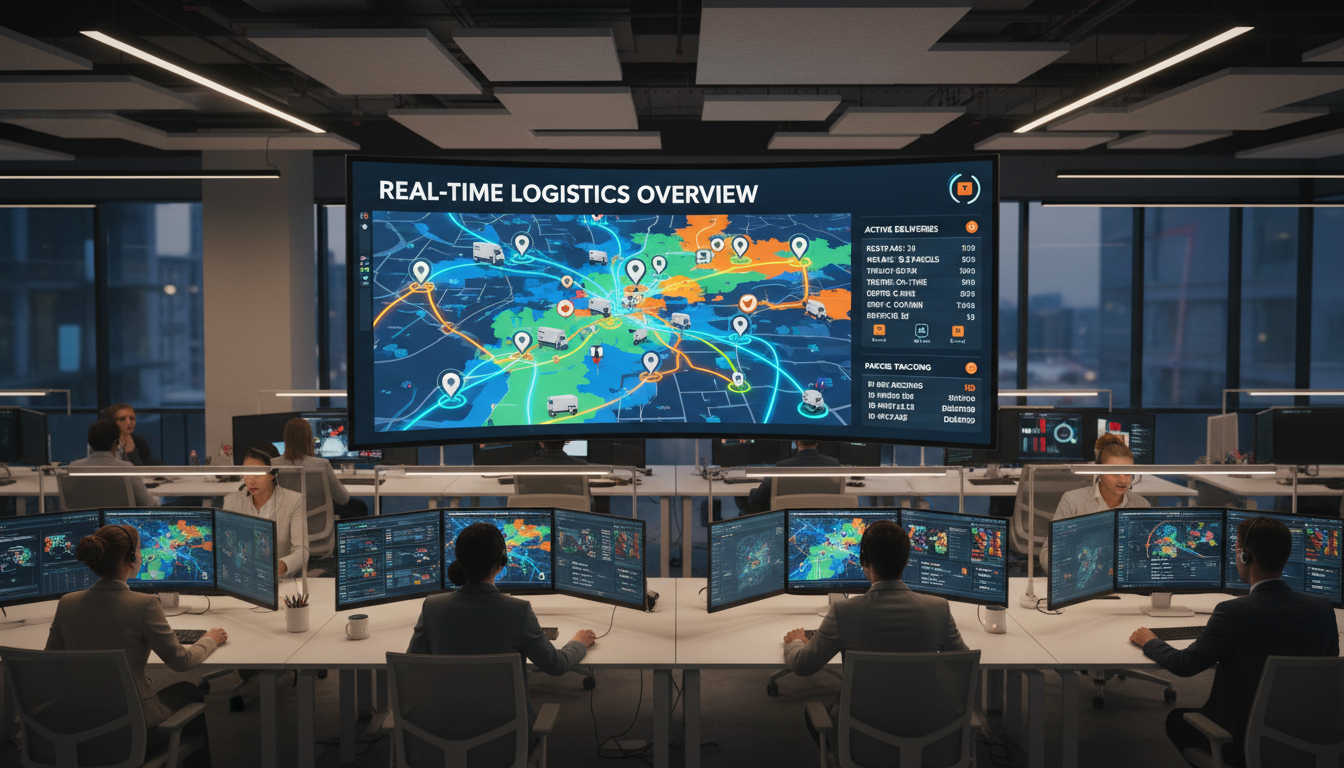
Distributed tracing provides a detailed view of how data flows through various components of a system. By tracking requests as they move through services, it helps identify bottlenecks and performance issues that might otherwise go unnoticed. This is particularly important in complex AI systems where numerous microservices interact.
What is Distributed Tracing?
At its core, distributed tracing is a method for tracking and observing service requests as they traverse through a distributed system. It provides a comprehensive picture of the entire transaction path, from start to finish, across different services and processes. This visibility is vital in understanding how each service impacts the overall performance of AI agents.
By implementing distributed tracing, teams can gain insights into the latency and execution time of each component within the system. This information is crucial for diagnosing issues and optimizing performance, ensuring that AI agents can process and respond to data efficiently.
Benefits of Distributed Tracing in AI Systems
One of the primary advantages of distributed tracing is its ability to identify performance bottlenecks. By isolating slow components or services, engineers can focus their efforts on optimizing these areas, leading to significant improvements in overall system performance.
Additionally, distributed tracing enhances the understanding of dependencies within AI systems. This knowledge allows for better resource allocation and load balancing, ensuring that AI agents are neither overwhelmed nor underutilized.

Implementing Distributed Tracing
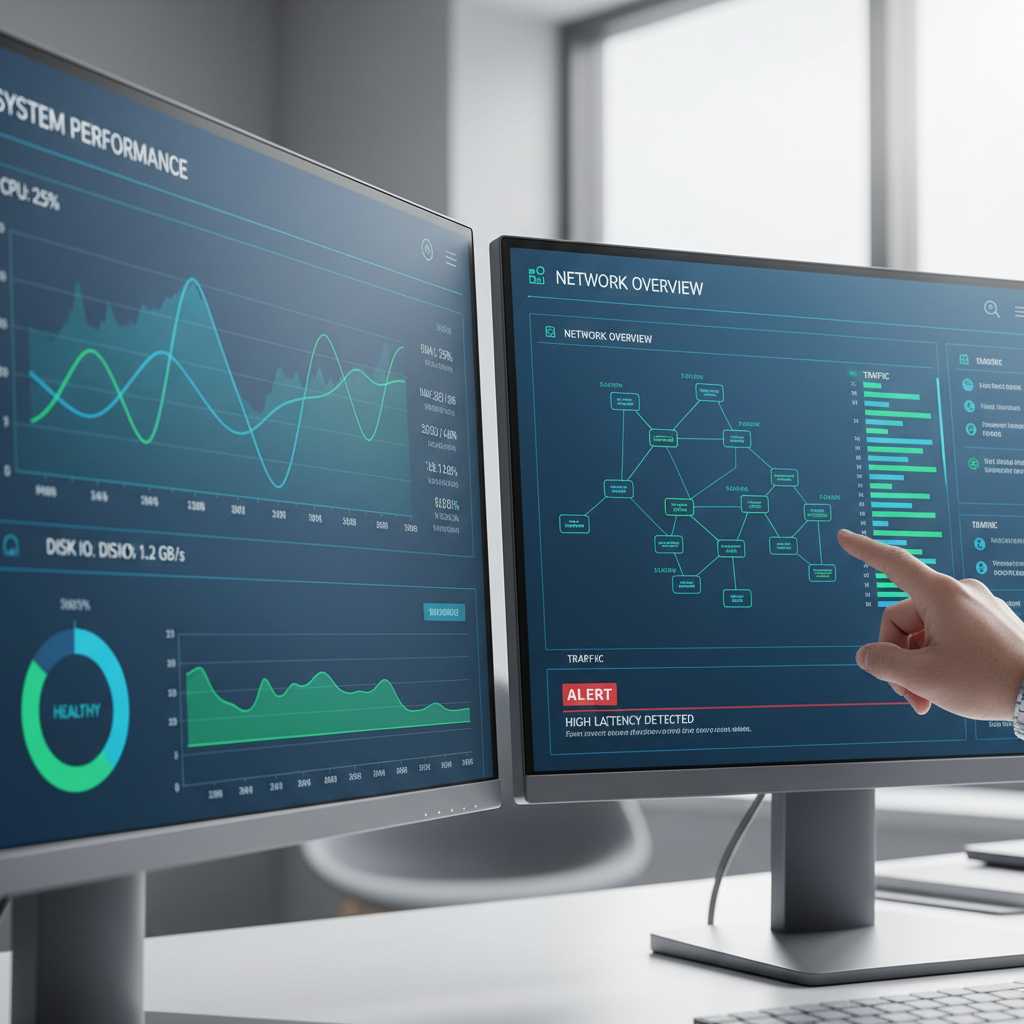
Integrating distributed tracing into AI systems requires a strategic approach. It involves instrumenting code to generate trace data, which can then be collected and analyzed using various tools. Popular tools like Jaeger and Zipkin are often used to visualize and interpret trace data, providing actionable insights.
When implementing distributed tracing, it's important to ensure that the tracing does not significantly impact system performance. Efficient data collection and processing techniques are essential to maintain the balance between tracing overhead and the benefits gained from enhanced visibility.
Challenges and Considerations
While distributed tracing offers numerous benefits, it also presents certain challenges. One common issue is the complexity of managing and analyzing large volumes of trace data, especially in extensive AI systems. Selecting the right tools and strategies for data aggregation and analysis is crucial to overcoming this hurdle.
Another consideration is the potential privacy concerns when tracing data flows through sensitive systems. Ensuring compliance with data protection regulations and implementing robust security measures is essential to protect sensitive information.
Conclusion
Understanding and implementing distributed tracing is essential for optimizing the performance of AI agents. By providing a clear view of system interactions and potential bottlenecks, it allows teams to fine-tune their systems for maximum efficiency. As AI continues to evolve, distributed tracing will remain a critical tool for ensuring that these intelligent systems operate smoothly and effectively.
Embracing distributed tracing not only enhances performance but also builds a foundation for scalable and resilient AI systems. By addressing challenges and leveraging the right tools, organizations can unlock the full potential of their AI agents, leading to more reliable and impactful outcomes.