
The Role of AI in Healthcare: Improving Patient Outcomes


Introduction to AI in Healthcare
The integration of artificial intelligence into healthcare is revolutionizing the way medical professionals deliver care. From diagnosis to treatment, AI technologies are enhancing the efficiency and accuracy of healthcare services. This transformation is not just about technology; it's about improving patient outcomes and creating more personalized care experiences.
AI systems are capable of analyzing vast amounts of data and uncovering patterns that might be missed by human eyes. This capability is crucial in a field where timely and accurate decision-making can save lives. By leveraging AI, healthcare providers can make more informed decisions, ultimately leading to better patient outcomes.

Enhancing Diagnostic Accuracy
One of the primary roles of AI in healthcare is in the field of diagnostics. AI algorithms can process and analyze medical imaging data such as X-rays, MRIs, and CT scans with remarkable precision. These algorithms can detect anomalies and suggest possible diagnoses, sometimes even surpassing human experts in accuracy.
For example, AI-driven tools can assist radiologists by highlighting areas of concern in imaging scans, ensuring that nothing is overlooked. This not only improves the diagnostic process but also speeds it up, allowing patients to receive treatment more quickly.
Personalizing Treatment Plans
AI is also playing a significant role in creating personalized treatment plans. By analyzing patient data, including genetic information, AI can help tailor treatments to the individual needs of the patient. This personalized approach increases the likelihood of successful outcomes and reduces the risk of adverse reactions.
Furthermore, AI can assist in predicting patient responses to certain medications, enabling doctors to choose the most effective treatment with minimal trial and error. This level of customization was not possible before the advent of AI technologies in healthcare.
Streamlining Administrative Processes
Beyond clinical applications, AI is streamlining administrative processes in healthcare. From managing patient records to scheduling appointments, AI-driven systems can handle routine tasks efficiently, freeing up healthcare professionals to focus more on patient care.
This efficiency not only reduces costs but also minimizes errors associated with manual data entry. The result is a more organized and responsive healthcare system that can adapt quickly to the needs of its patients.

Improving Patient Monitoring and Follow-Up
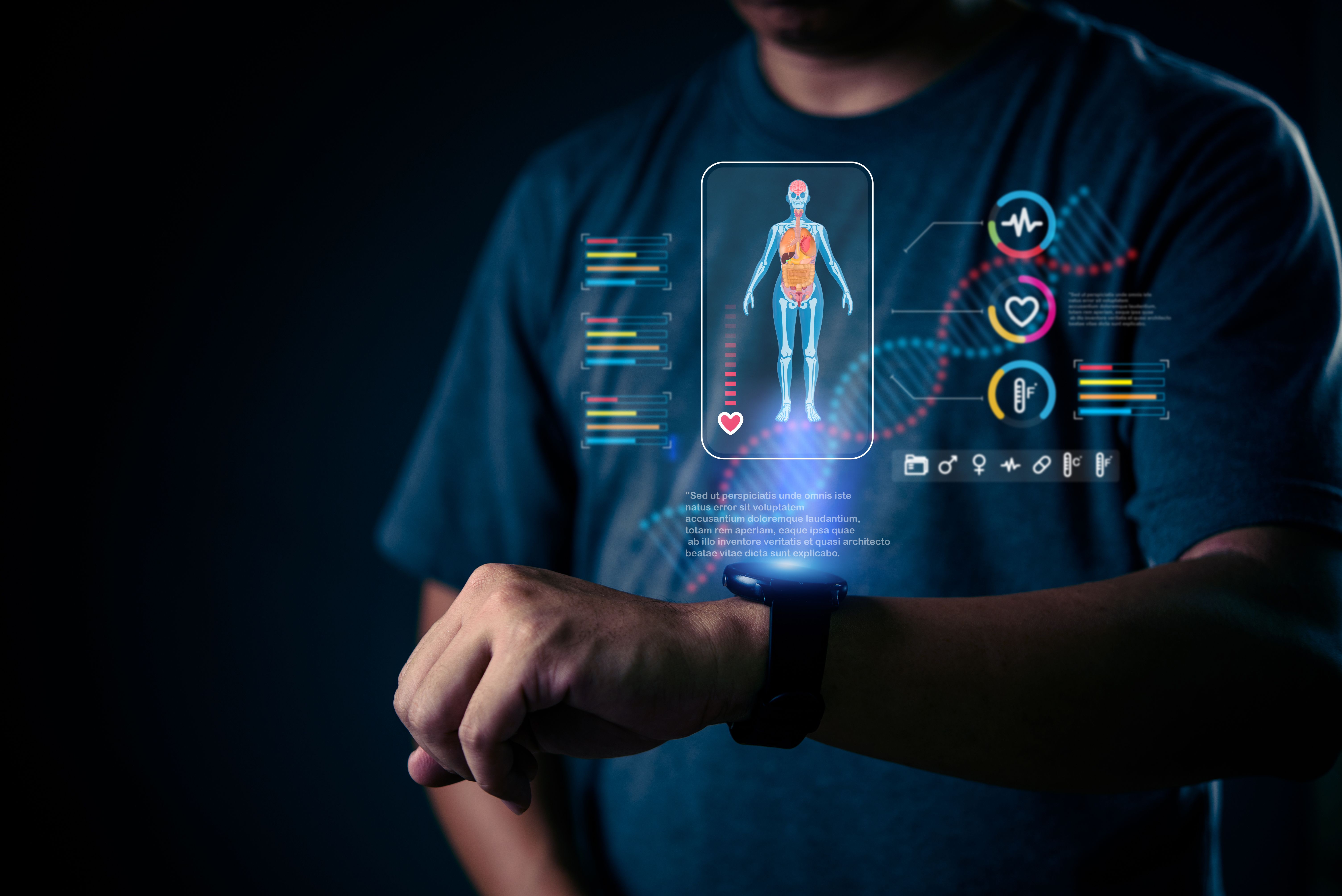
AI technologies are also enhancing patient monitoring and follow-up care. Wearable devices and mobile applications equipped with AI can continuously track vital signs and other health metrics. This real-time data collection allows for proactive interventions, potentially preventing complications before they arise.
For chronic disease management, AI can provide reminders and alerts to patients, ensuring adherence to treatment plans. This ongoing engagement helps maintain patient health and reduces hospital readmissions, ultimately improving long-term outcomes.
Conclusion
The role of AI in healthcare is multifaceted and continues to expand as technology advances. By improving diagnostic accuracy, personalizing treatment plans, streamlining administrative tasks, and enhancing patient monitoring, AI is significantly contributing to better patient outcomes.
As we continue to integrate AI into healthcare systems, it is essential to ensure these technologies are used ethically and responsibly. With the right balance, AI has the potential to transform healthcare and improve the lives of patients worldwide.