
The Benefits of Human-AI Collaboration in Healthcare


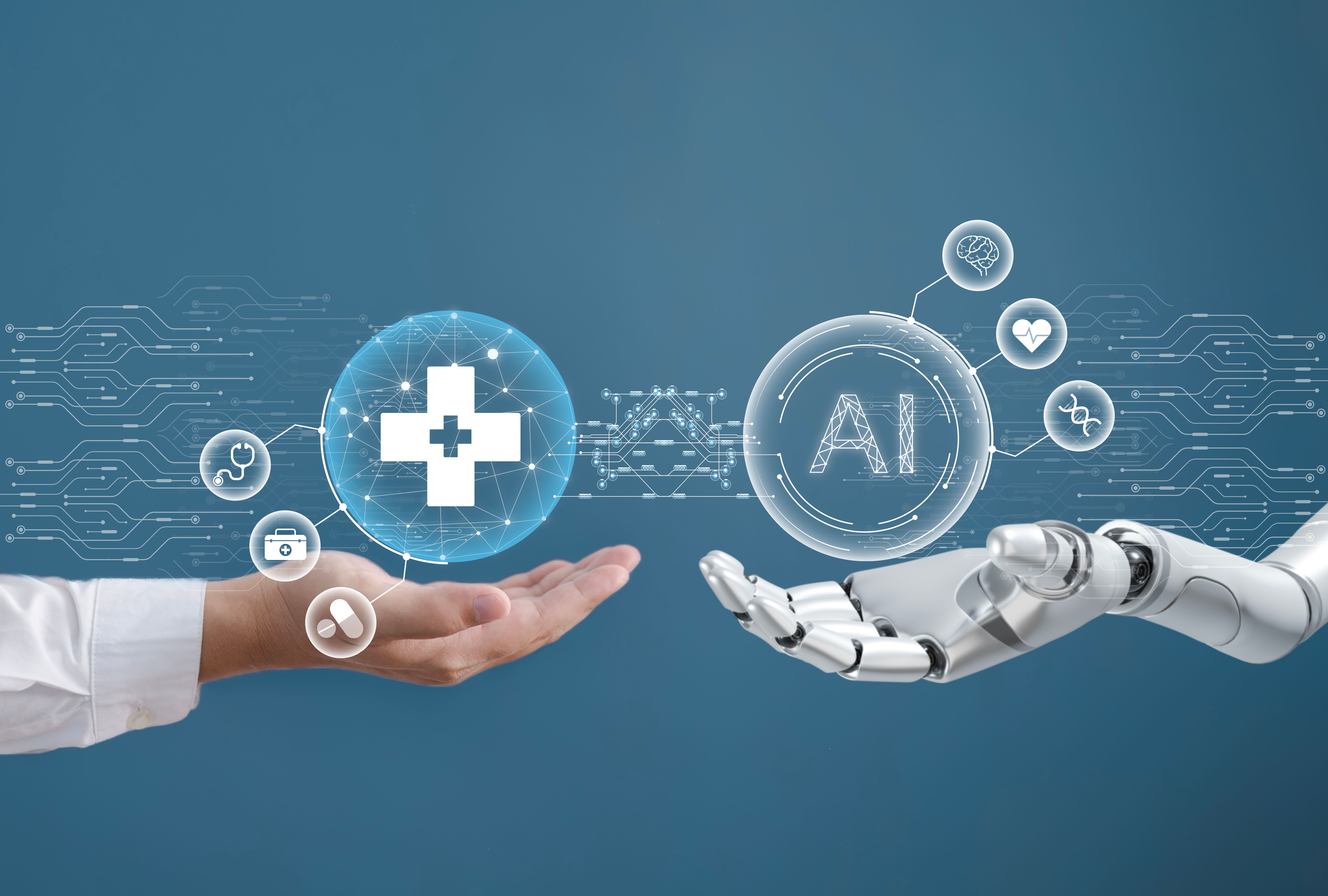
In recent years, the integration of artificial intelligence (AI) in healthcare has opened up new avenues for enhancing patient care and streamlining clinical processes. By collaborating with AI, healthcare professionals can leverage technology to improve diagnostic accuracy, personalize treatment plans, and manage healthcare data more effectively.
Enhancing Diagnostic Accuracy
One of the most significant benefits of human-AI collaboration in healthcare is the enhancement of diagnostic accuracy. AI algorithms can analyze medical images, such as X-rays and MRIs, with remarkable precision, often identifying abnormalities that may be missed by the human eye. This collaboration allows doctors to make more informed decisions, ultimately improving patient outcomes.
Moreover, AI systems can process vast amounts of medical literature and patient data quickly, offering insights that aid in the diagnosis of complex conditions. This synergy between human expertise and AI capability is paving the way for more reliable and faster diagnoses.
Personalized Treatment Plans
A key advantage of AI in healthcare is its ability to support personalized treatment plans. By analyzing patient data, including genetic information, lifestyle, and medical history, AI can help design customized therapies that cater to individual needs. This approach not only enhances treatment efficacy but also minimizes potential side effects.
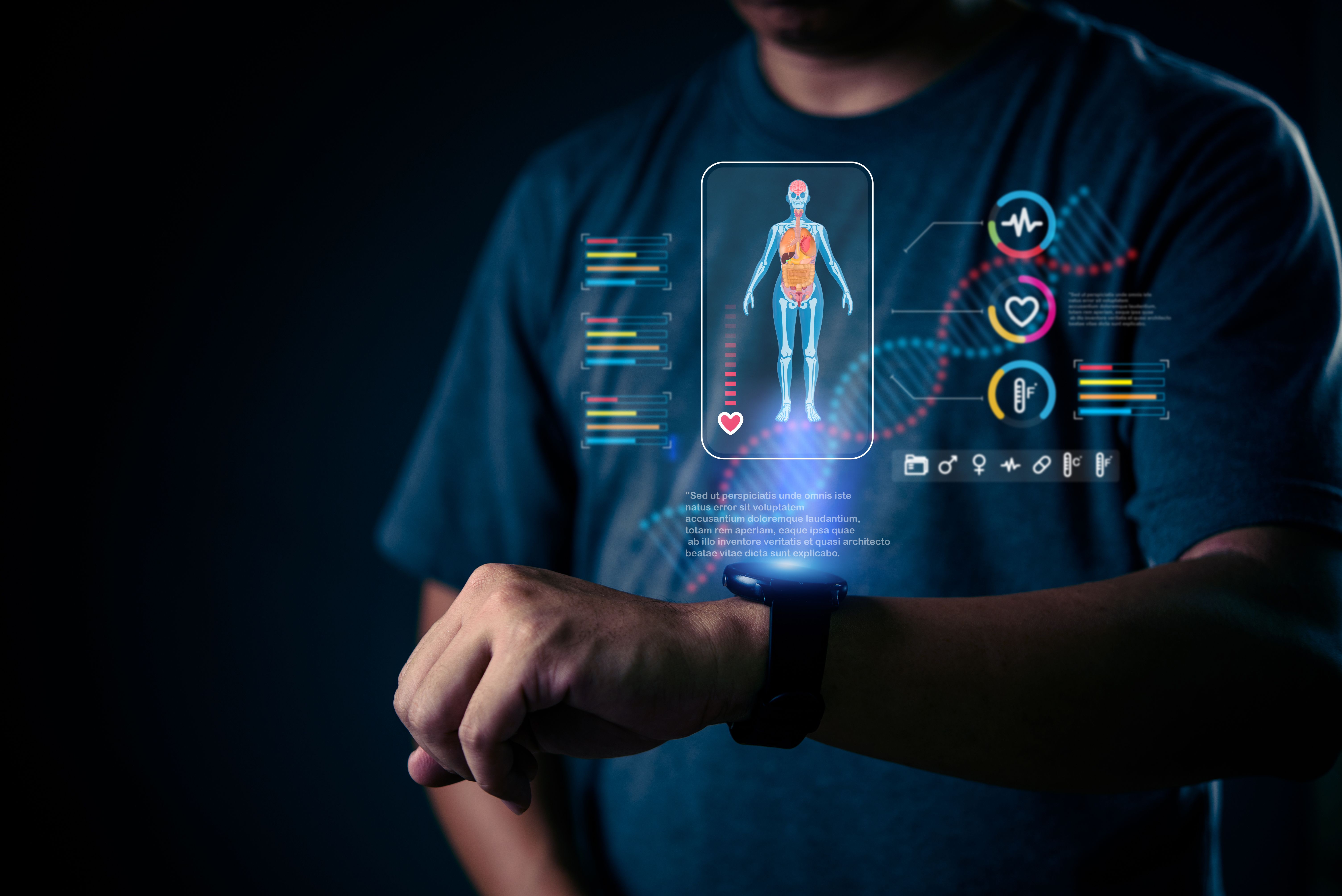
Furthermore, AI can assist in predicting patient responses to specific treatments, allowing healthcare providers to adjust strategies proactively. The result is a more tailored healthcare experience that aligns closely with each patient's unique circumstances.
Streamlining Administrative Tasks
AI collaboration extends beyond clinical care to include the streamlining of administrative tasks. By automating routine processes such as appointment scheduling, billing, and record-keeping, AI reduces the burden on healthcare staff. This allows professionals to focus more on patient interaction and care delivery.
AI-powered tools can also manage large datasets efficiently, ensuring that patient records are accurate and up-to-date. This efficiency not only improves healthcare delivery but also enhances patient satisfaction by reducing wait times and administrative errors.

Data Security and Privacy
As healthcare increasingly relies on digital systems, data security and privacy have become paramount concerns. AI can play a vital role in safeguarding sensitive information by detecting and mitigating potential security threats. With advanced algorithms, AI can monitor network activity and identify unusual patterns, providing an additional layer of protection for patient data.
By collaborating with AI, healthcare organizations can ensure that their systems are robust against cyber threats, maintaining the trust and confidence of patients.
Conclusion
The collaboration between humans and AI in healthcare is transforming the industry, offering numerous benefits that enhance patient care and operational efficiency. By embracing this partnership, healthcare providers can deliver more accurate diagnoses, personalized treatments, and secure, streamlined services.
As AI continues to evolve, the scope of its collaboration with healthcare professionals will undoubtedly expand, promising a future where technology and human expertise work hand in hand to improve health outcomes for all.