
The Benefits of Human-AI Collaboration in Enterprise Automation


Introduction to Human-AI Collaboration
In today's rapidly evolving technological landscape, the integration of artificial intelligence (AI) into enterprise automation is transforming how businesses operate. By harnessing the power of AI, companies can streamline processes, increase efficiency, and make data-driven decisions. However, the true potential of AI is unlocked when it works in tandem with human intelligence.
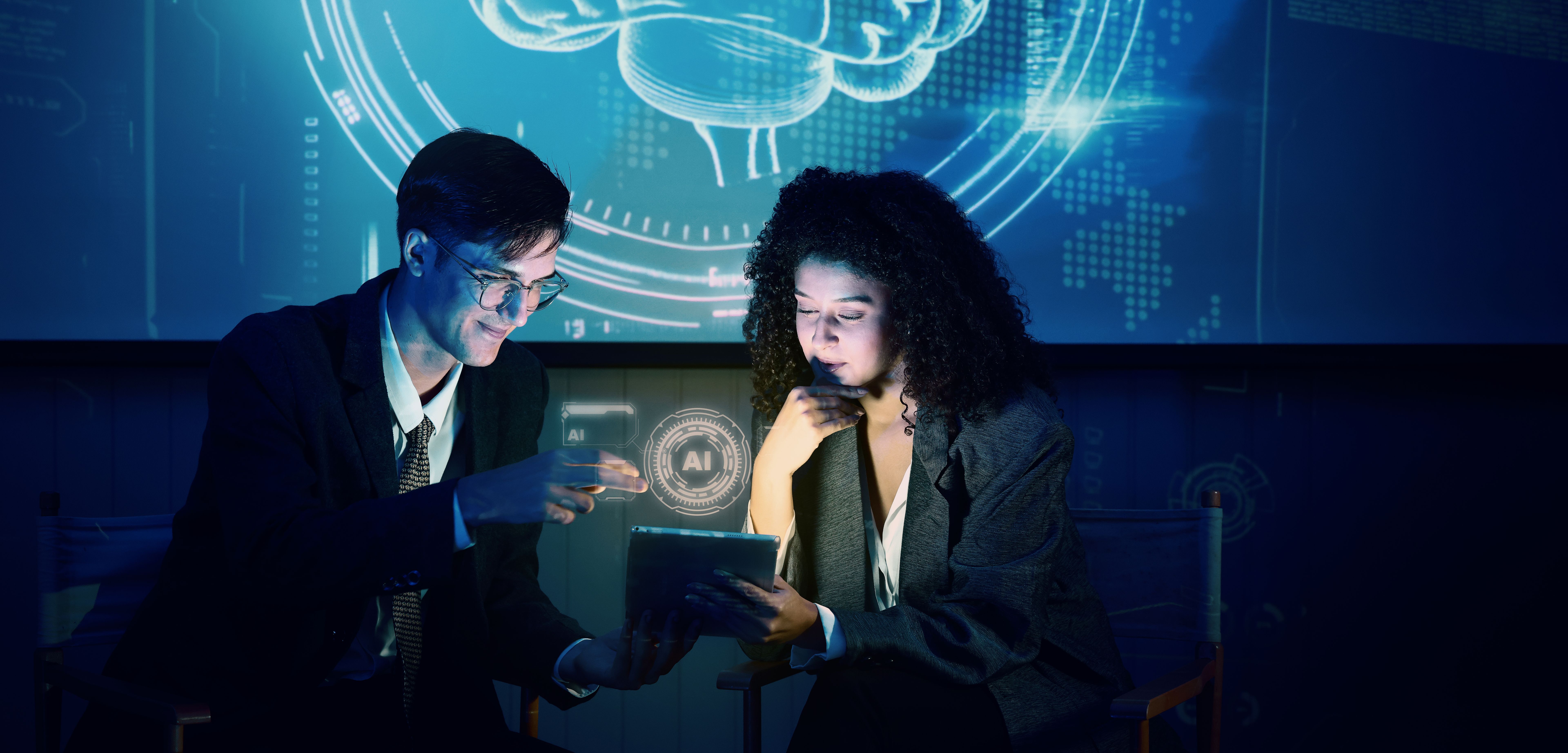
Human-AI collaboration creates a symbiotic relationship where both entities complement each other’s strengths. While AI excels at handling repetitive tasks and analyzing vast amounts of data, humans bring creativity, emotional intelligence, and strategic oversight to the table.
Enhancing Efficiency and Productivity
One of the most significant benefits of integrating AI with human efforts is the boost in efficiency and productivity. AI systems can automate routine, time-consuming tasks, allowing employees to focus on more complex and creative challenges. This not only increases output but also enhances job satisfaction as employees engage in more meaningful work.
Moreover, AI can process and analyze data at a speed and scale beyond human capabilities. By providing actionable insights, AI empowers employees to make informed decisions quickly, further amplifying productivity.

Improving Decision-Making
AI's ability to analyze large datasets enables businesses to gain deeper insights into market trends, customer preferences, and operational efficiencies. When combined with human intuition and experience, these insights lead to more strategic and impactful decision-making.
For example, AI can identify patterns and correlations in data that might be overlooked by human analysts. By integrating these findings with human expertise, businesses can craft strategies that are both data-driven and contextually rich.

Driving Innovation
Human-AI collaboration is a catalyst for innovation. AI-driven insights can inspire new ideas and approaches, while human creativity can guide AI in exploring unconventional solutions. This dynamic interaction fosters an environment where innovation thrives.
Additionally, AI can simulate scenarios and predict outcomes, allowing teams to experiment and innovate with reduced risk. This empowers enterprises to push boundaries and iterate rapidly, leading to groundbreaking products and services.
Enhancing Customer Experience
Combining AI with human interaction significantly enhances customer experience. AI can handle initial customer inquiries, provide personalized recommendations, and streamline the purchasing process. When more complex issues arise, human agents can step in to provide empathy and nuanced understanding.
This seamless transition between AI and human support ensures that customers receive efficient and personalized service, improving satisfaction and loyalty.

Fostering a Culture of Learning
The integration of AI into the workplace encourages a culture of continuous learning and adaptation. Employees are motivated to upskill and reskill, ensuring they remain relevant in an AI-enhanced environment. This not only benefits the individual but also strengthens the organization's overall capabilities.
Moreover, as AI systems learn and evolve, they become more effective collaborators, further enriching the human workforce and driving continuous improvement.
Conclusion: A Future of Synergy
The collaboration between humans and AI in enterprise automation offers unparalleled opportunities for growth and transformation. By leveraging the strengths of both, businesses can achieve greater efficiency, drive innovation, and create unprecedented value.
As we look to the future, embracing human-AI collaboration will be essential for organizations seeking to thrive in an increasingly complex and competitive landscape. The synergy between human creativity and AI precision is not just a trend—it's the future of enterprise success.