
Maximizing Efficiency: AI Agent Use Cases in Supply Chain Management


In today's fast-paced global market, supply chain management plays a crucial role in determining the success of businesses. Companies are increasingly turning to AI agents to streamline their operations, reduce costs, and improve overall efficiency. AI technologies offer innovative solutions to complex supply chain challenges, transforming traditional processes into smarter, more agile systems.

Predictive Analytics and Demand Forecasting
One of the most powerful applications of AI in supply chain management is predictive analytics. AI agents can analyze historical data, market trends, and external factors to accurately forecast demand. This capability allows businesses to optimize inventory levels, reducing both overstock and stockouts. By leveraging AI for demand forecasting, companies can make informed decisions that align with consumer needs and market dynamics.
AI-driven demand forecasting can also enhance collaboration with suppliers and partners, ensuring that the entire supply chain is responsive and adaptive to changes. This capability helps businesses maintain a competitive edge, especially in industries with rapidly changing consumer preferences.
Inventory Management
AI agents are revolutionizing inventory management by providing real-time visibility and control over stock levels. With the ability to monitor inventory across multiple locations, AI systems can suggest optimal reorder points and quantities, minimizing carrying costs and maximizing efficiency. Automated inventory tracking reduces the risk of human error, leading to more accurate and timely replenishments.
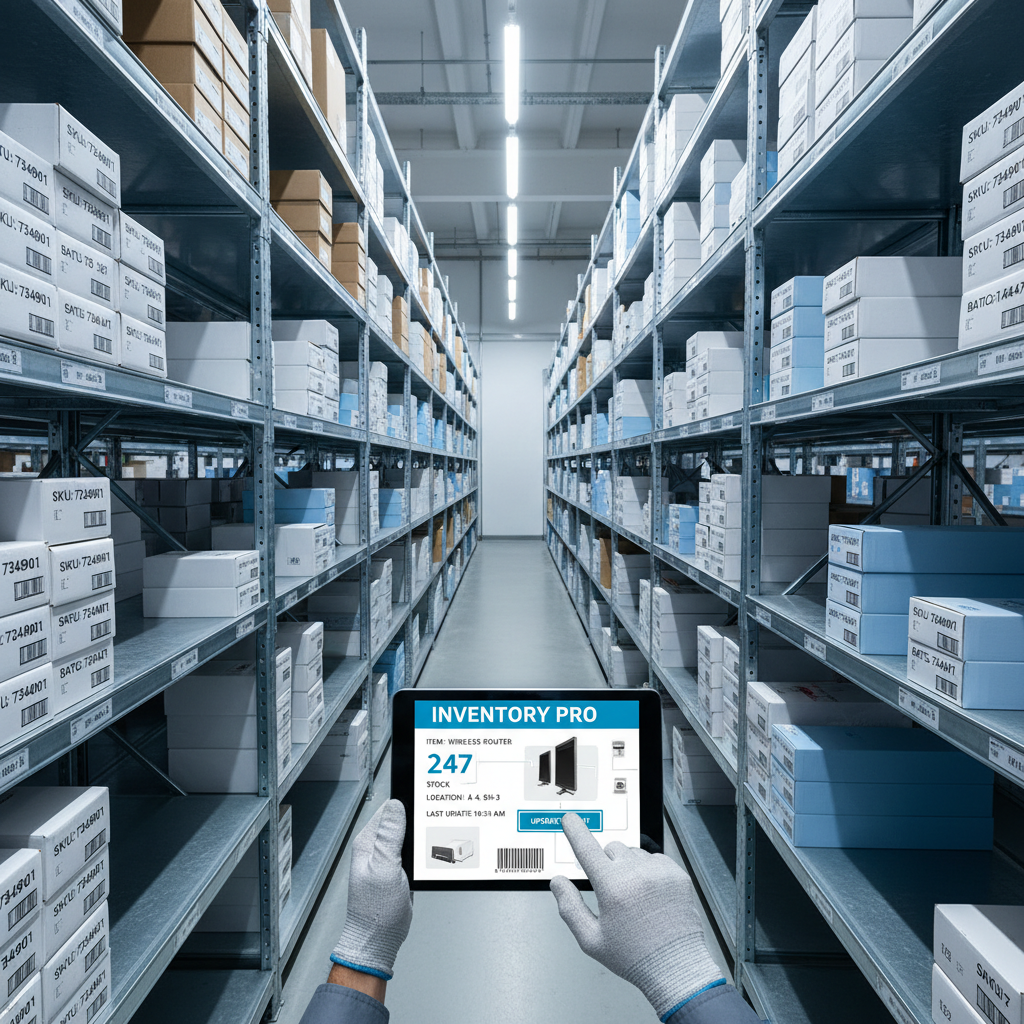
Furthermore, AI can integrate with IoT devices to track inventory conditions, such as temperature and humidity, ensuring that products remain in optimal condition. This integration is particularly beneficial for industries like pharmaceuticals and food, where product integrity is critical.
Supply Chain Optimization
AI agents facilitate supply chain optimization by analyzing and optimizing logistics and distribution networks. By evaluating variables such as transportation routes, delivery schedules, and warehouse locations, AI can suggest the most cost-effective and efficient strategies. These insights help reduce transportation costs, improve delivery times, and enhance overall customer satisfaction.
Additionally, AI can assist in identifying potential bottlenecks and areas for improvement within the supply chain, allowing businesses to proactively address challenges before they impact operations.

Risk Management and Mitigation
AI technologies play a crucial role in supply chain risk management by identifying potential disruptions and vulnerabilities. By analyzing diverse data sources, AI agents can predict risks such as supplier failures, natural disasters, or geopolitical events. This proactive approach enables companies to develop contingency plans and mitigate the impact of unforeseen events.
With AI-enabled risk management, businesses can maintain continuity and resilience, even in the face of challenges that would have previously caused significant disruptions.
Enhancing Supplier Relationships
AI agents enhance supplier relationship management by providing insights into supplier performance and reliability. By evaluating metrics such as delivery times, quality, and compliance, AI can help businesses make informed decisions about supplier partnerships. This data-driven approach fosters stronger, more collaborative relationships with suppliers, leading to better negotiation outcomes and improved supply chain performance.

In conclusion, the integration of AI agents into supply chain management offers numerous benefits, from predictive analytics and inventory management to risk mitigation and supplier relationship enhancement. As businesses continue to navigate the complexities of global supply chains, AI technologies will remain a vital tool in maximizing efficiency and driving success.