
Future of Human-AI Collaboration: What Businesses Need to Know


Introduction to Human-AI Collaboration
The integration of artificial intelligence into business processes is reshaping the way companies operate. As AI continues to evolve, the collaboration between humans and AI systems is becoming increasingly significant. This partnership promises to enhance productivity, drive innovation, and create new opportunities for growth.
Businesses must understand the dynamics of this collaboration to fully leverage its potential. The future of human-AI collaboration is not just about technology but also involves organizational change and cultural adaptation.
Enhancing Productivity and Efficiency
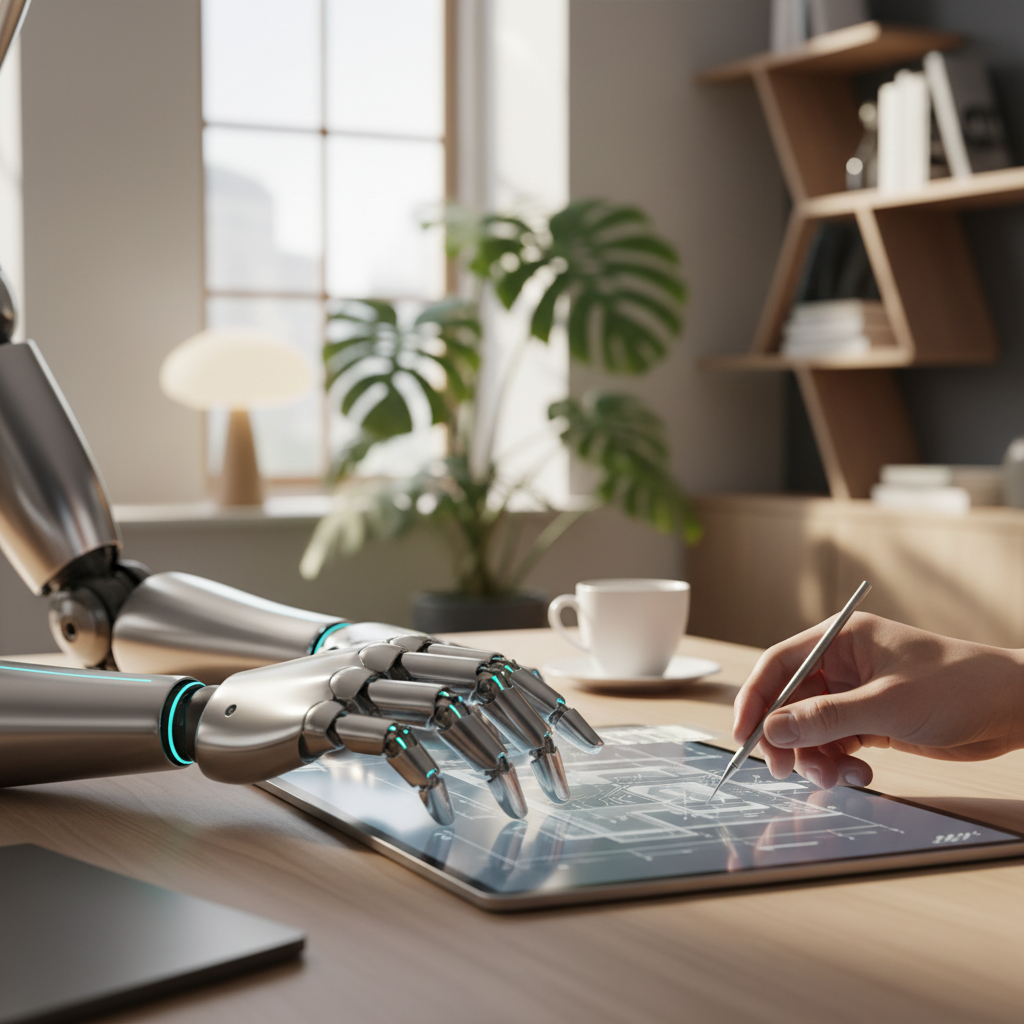
AI systems are designed to handle repetitive tasks, process large datasets, and provide actionable insights. By automating routine tasks, AI allows human employees to focus on more strategic activities that require creativity and critical thinking. This division of labor enhances overall productivity and operational efficiency.
Companies that successfully implement AI-driven solutions often see reductions in error rates and improvements in decision-making processes. These benefits not only increase efficiency but also lead to better resource allocation and cost savings.
Streamlining Workflows with AI
AI can optimize workflows by predicting bottlenecks and suggesting improvements. For instance, AI-powered tools can analyze employee performance and recommend personalized training programs to enhance skills. This personalization fosters a more engaged and competent workforce.
Driving Innovation and Creativity
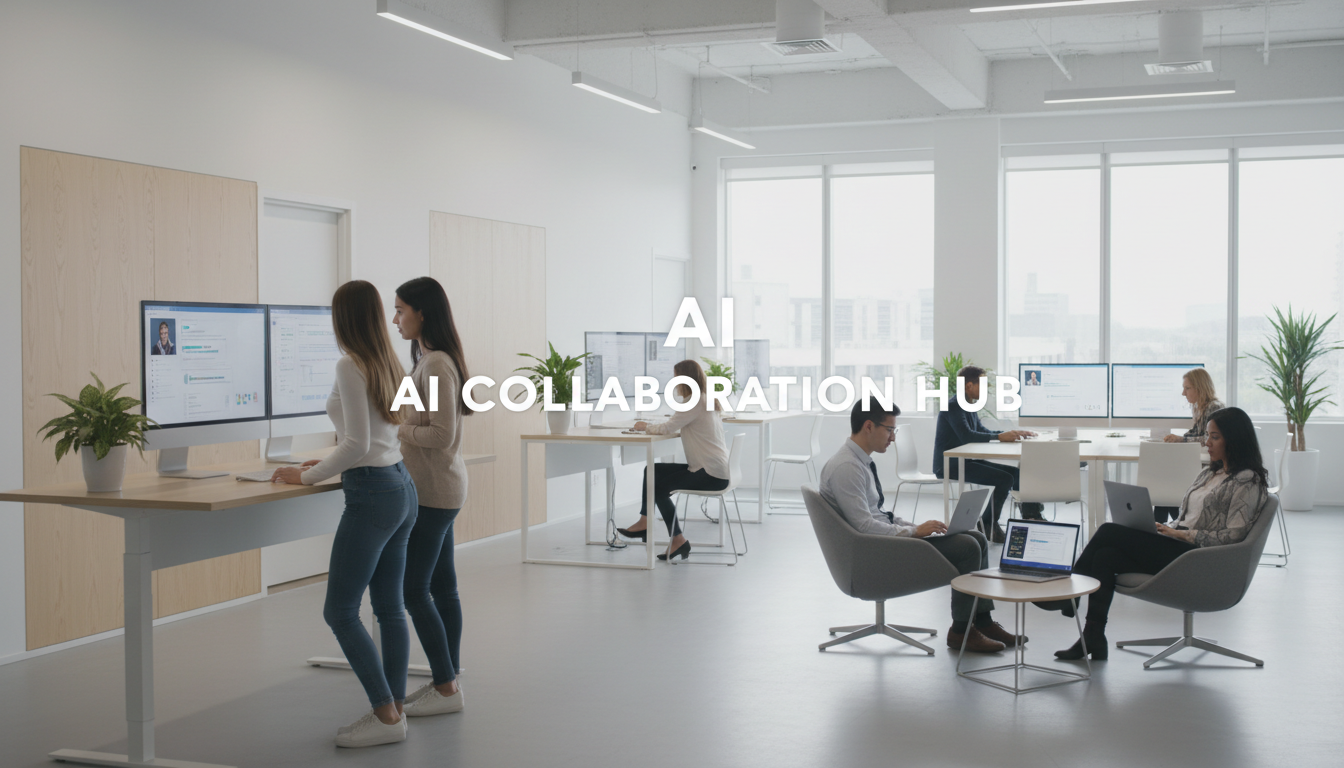
Human-AI collaboration is a catalyst for innovation. AI systems can process vast amounts of data to uncover patterns and trends that might not be immediately apparent to humans. These insights can inspire new ideas and drive creative solutions to complex problems.
Moreover, AI can simulate different scenarios and predict outcomes, allowing businesses to experiment with innovative strategies without significant risk. This capability encourages a culture of experimentation and agility.
Empowering Creative Processes
In creative industries, AI tools assist in generating content, designing graphics, and even composing music. By handling technical details, AI frees artists and designers to explore more creative avenues, ultimately enhancing the quality and uniqueness of their work.

Challenges and Considerations
Despite its potential, the integration of AI into the workplace presents several challenges. One major concern is the ethical use of AI, particularly regarding data privacy and decision-making transparency. Businesses must establish guidelines and frameworks to ensure responsible AI use.
Another challenge is the need for continuous learning and adaptation. As AI technologies evolve, employees must be equipped with the skills to work alongside AI systems. This requires ongoing training and development initiatives.
Building a Collaborative Culture
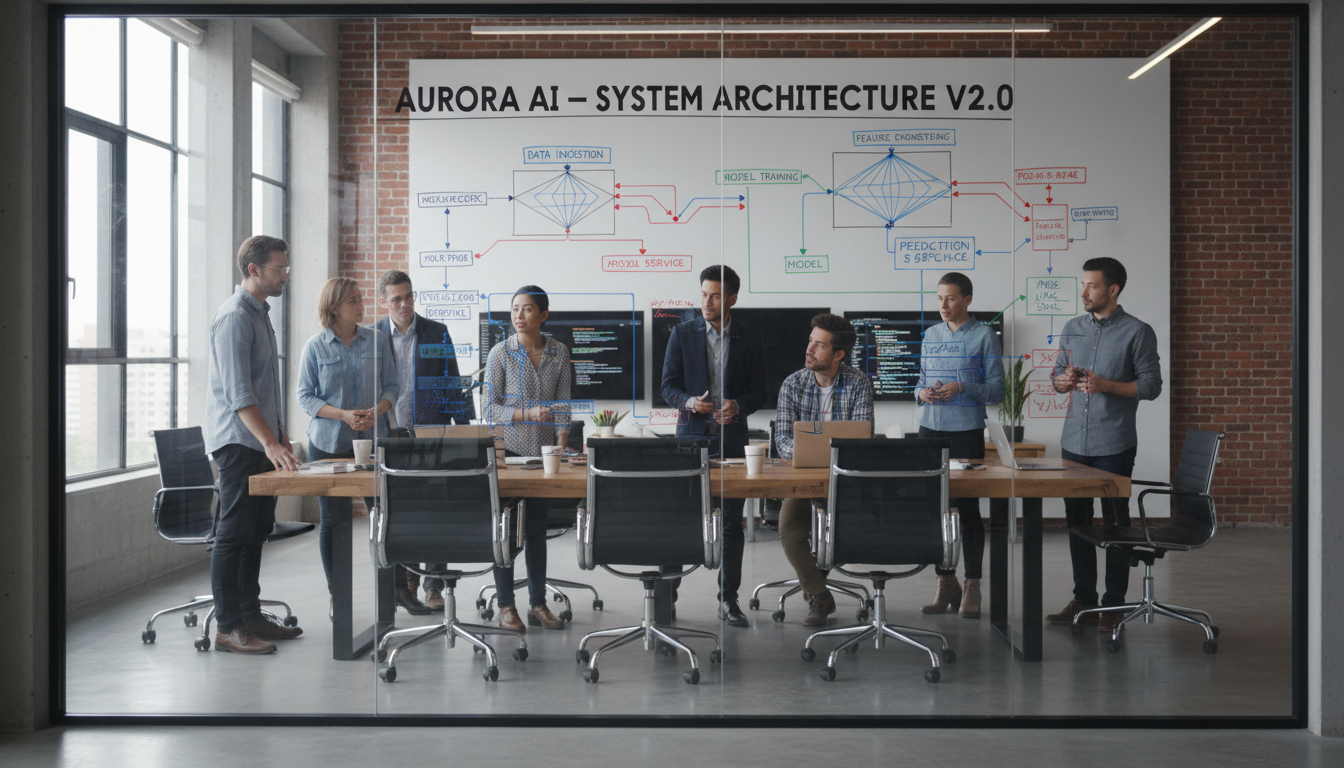
Fostering a culture that embraces human-AI collaboration is crucial. This involves promoting open communication, encouraging experimentation, and valuing diverse perspectives. Businesses should also focus on aligning AI initiatives with their core values and mission.
Conclusion: Preparing for the Future
The future of human-AI collaboration holds immense potential for businesses willing to embrace change. By understanding the benefits and challenges, companies can strategically integrate AI into their operations, driving growth and innovation.
To succeed, businesses must focus on ethical AI practices, invest in employee development, and cultivate a collaborative culture. As technology continues to advance, those who adapt quickly will be well-positioned to thrive in the evolving business landscape.