
Exploring AI Agent Use Cases in Supply Chain and Manufacturing


Introduction to AI in Supply Chain and Manufacturing
Artificial Intelligence (AI) is transforming industries across the globe, and the supply chain and manufacturing sectors are no exceptions. By leveraging AI technologies, businesses can optimize operations, reduce costs, and gain a competitive edge. In this blog post, we will explore various use cases of AI agents in these fields and how they are driving substantial improvements.
Enhancing Demand Forecasting
One of the most impactful applications of AI in supply chains is demand forecasting. AI algorithms analyze historical data and market trends to predict future demand with remarkable accuracy. This enables companies to optimize inventory levels, reduce waste, and ensure they meet customer needs efficiently.
AI-driven demand forecasting helps businesses respond quickly to market changes, minimizing the risks of overproduction or stockouts. This agility is crucial in today’s fast-paced market environment, where consumer preferences can shift rapidly.
Improving Inventory Management
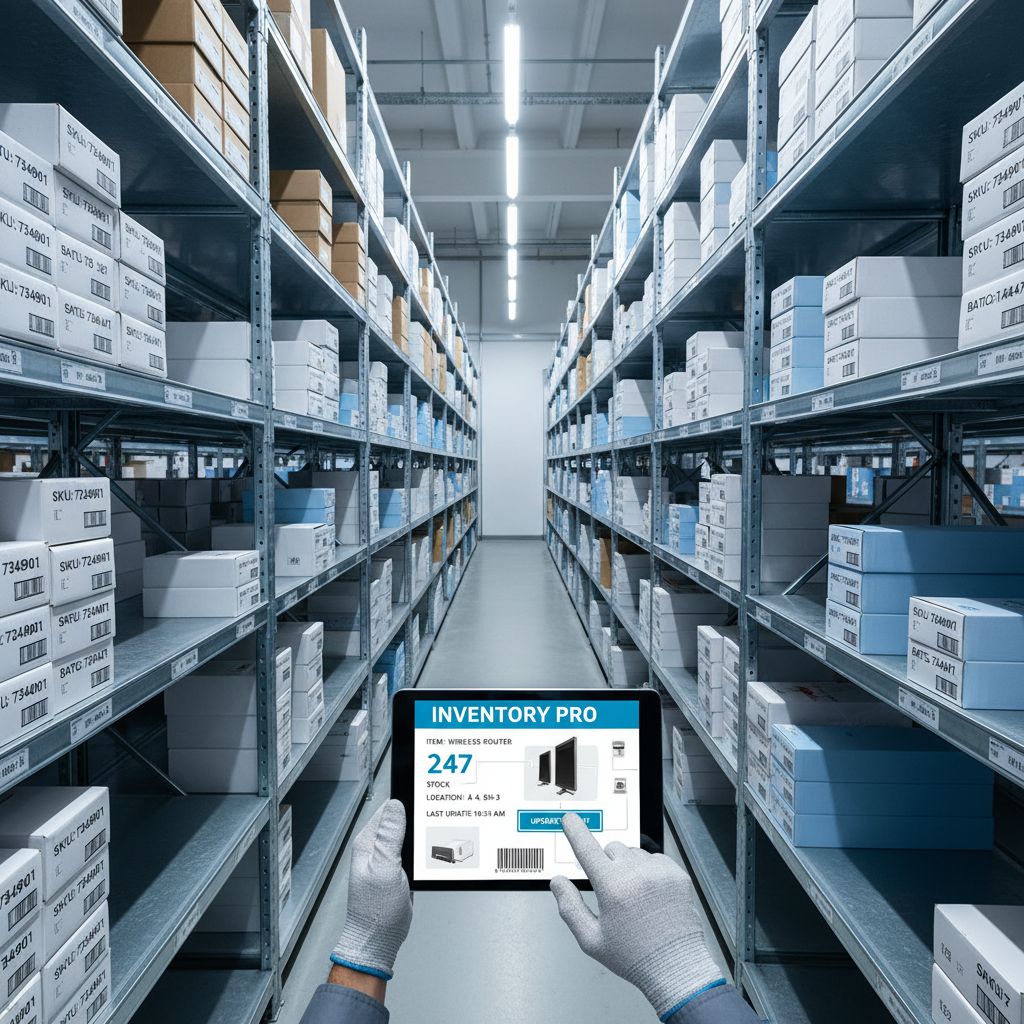
Inventory management is another critical area where AI is making significant strides. AI agents can monitor stock levels in real-time and recommend optimal reorder points. This ensures that businesses maintain the right balance of stock, reducing both excess inventory and shortages.
By automating inventory tracking and analysis, AI helps reduce human errors and improves overall efficiency. Companies can allocate resources more effectively, leading to cost savings and improved customer satisfaction.
Optimizing Production Processes
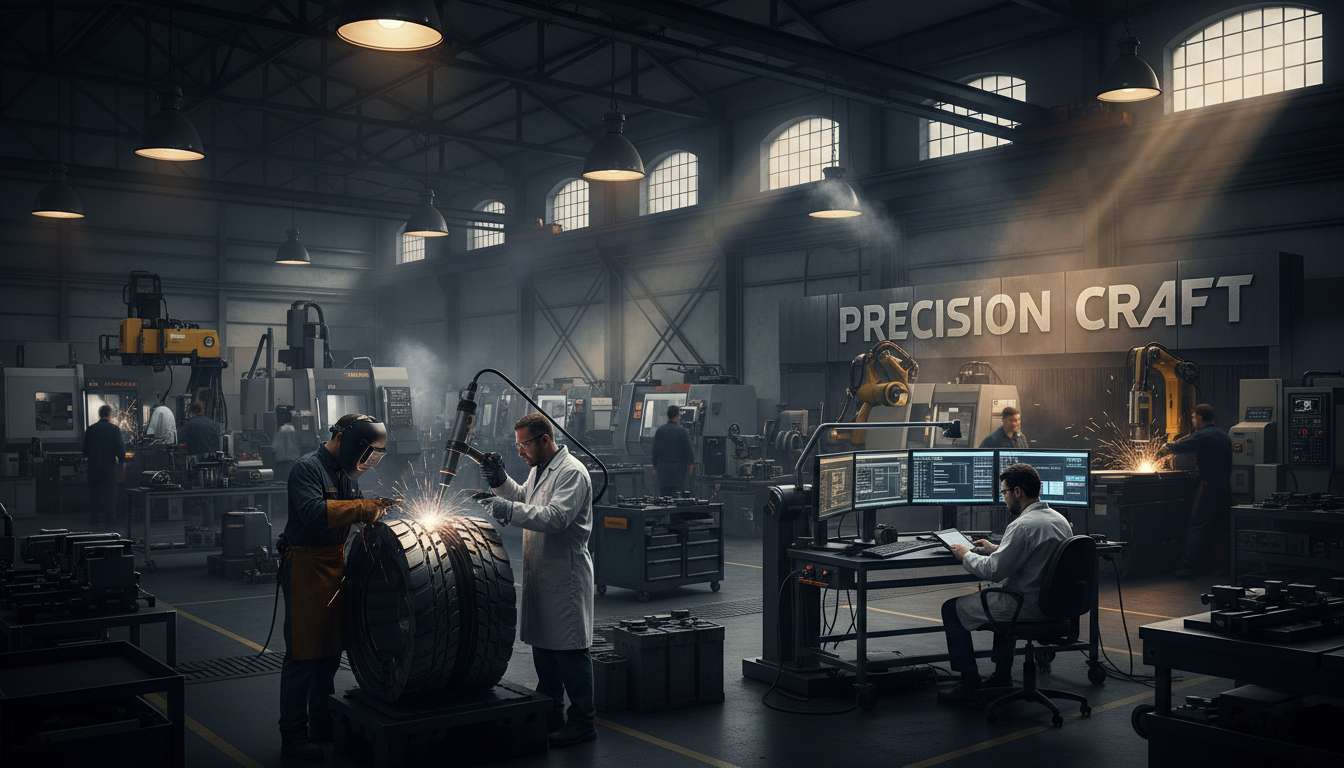
AI agents are instrumental in optimizing production processes by analyzing data from machinery and production lines. They can identify patterns and anomalies, enabling predictive maintenance and reducing downtime. This proactive approach ensures that equipment operates at peak efficiency, extending its lifespan and reducing repair costs.
Moreover, AI can assist in quality control by detecting defects early in the production process, ensuring that only the highest quality products reach the market. This not only enhances brand reputation but also reduces returns and rework costs.
Streamlining Logistics and Transportation
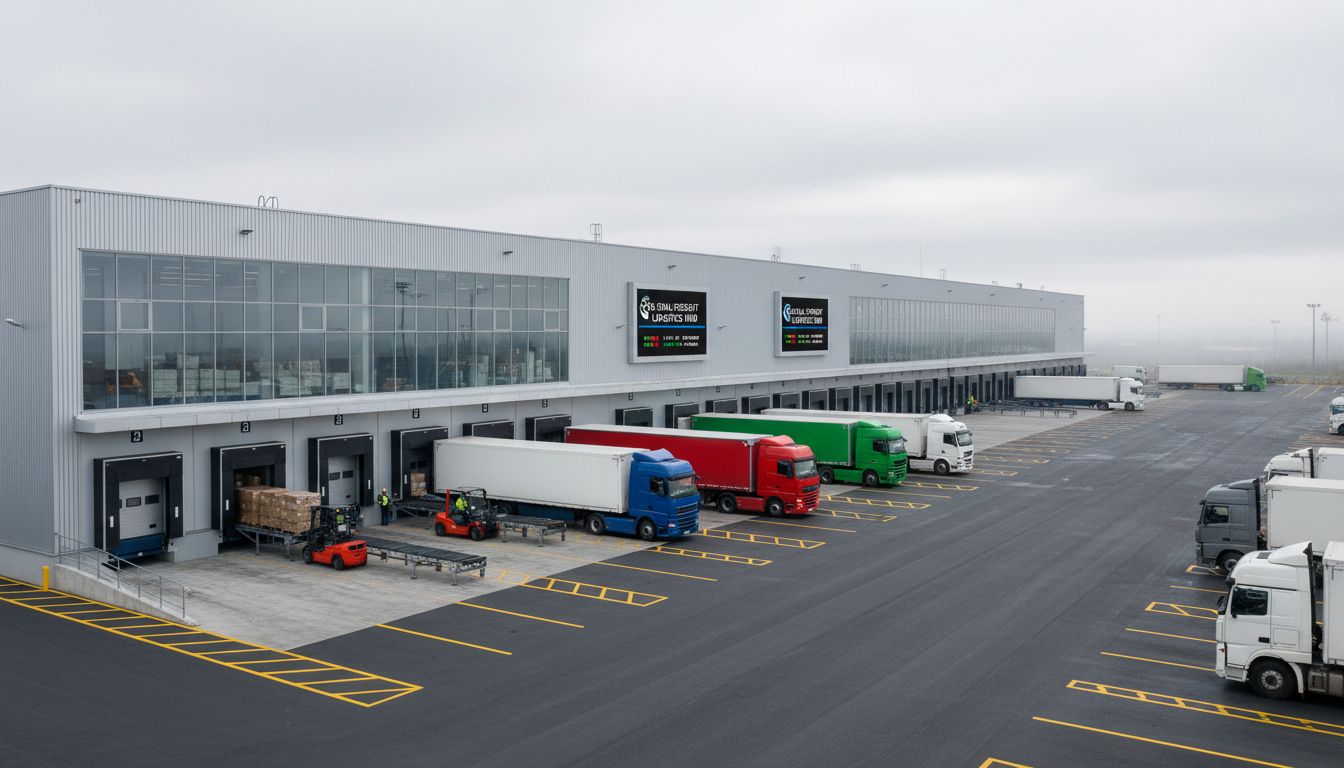
Logistics and transportation are integral components of the supply chain that benefit significantly from AI integration. AI agents can optimize routes, predict potential delays, and suggest alternative paths to ensure timely delivery. This results in reduced fuel consumption and lower transportation costs.
Furthermore, AI can help in managing fleet operations by monitoring vehicle health and driver behavior, enhancing safety and efficiency. The insights gained enable companies to make informed decisions, improving overall logistics performance.
Enhancing Supplier Relationship Management
AI can also play a pivotal role in supplier relationship management by analyzing supplier performance data. This helps businesses identify reliable partners and negotiate better terms. AI agents can assess risks and suggest diversification strategies to mitigate potential disruptions.
With AI, companies can foster stronger, more collaborative relationships with their suppliers, leading to improved supply chain resilience and responsiveness.
Conclusion
AI agents are revolutionizing the supply chain and manufacturing sectors, offering numerous benefits from enhanced forecasting to optimized logistics. As these technologies continue to evolve, companies that embrace AI will be better positioned to thrive in an increasingly competitive landscape. By adopting AI-driven solutions, businesses can achieve greater efficiency, reduce costs, and deliver superior value to their customers.