
Enhancing Performance with Distributed Tracing in AI


In the rapidly evolving landscape of artificial intelligence, maintaining optimal performance is crucial. One powerful tool that has emerged to address this need is distributed tracing. This technique offers a way to understand and improve the complex interactions within AI systems, ensuring they run smoothly and efficiently.
Distributed tracing provides a comprehensive view of how requests move through a network of services. By tracking each step of a request, it helps identify bottlenecks and inefficiencies. This insight is invaluable for developers and engineers striving to enhance AI performance.

Understanding Distributed Tracing
At its core, distributed tracing involves tracking the complete journey of a request as it traverses through various services. Each service contributes information to a trace, creating a detailed map of the request’s path. This map is essential for diagnosing issues and optimizing system performance.
Distributed tracing is particularly beneficial in microservices architectures, where requests often pass through multiple services. By providing visibility into these complex interactions, it enables teams to pinpoint the sources of latency and other performance issues.
The Role of Distributed Tracing in AI
AI systems, with their intricate algorithms and vast datasets, can greatly benefit from distributed tracing. It helps in monitoring and analyzing the performance of AI models, ensuring they deliver results efficiently. By identifying slow components, teams can make targeted improvements, significantly enhancing the overall performance.
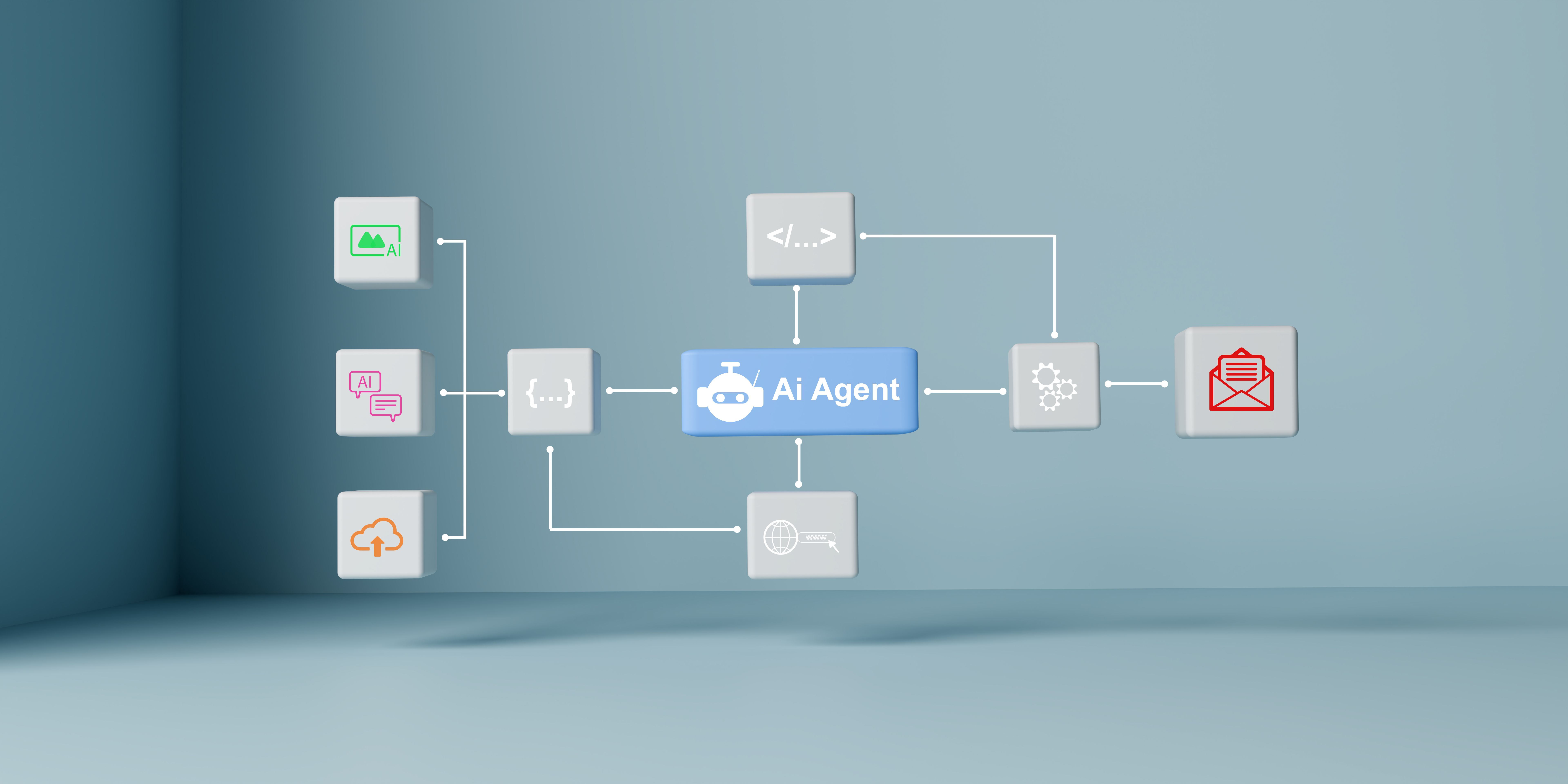
Moreover, distributed tracing facilitates real-time performance monitoring. This capability is crucial for AI applications that demand immediate responses, such as autonomous vehicles or real-time recommendation engines.
Implementing Distributed Tracing in AI Systems
To effectively implement distributed tracing, follow these essential steps:
- Integrate tracing libraries into your AI system’s codebase to capture trace data.
- Ensure all services are instrumented to send trace data to a centralized tracing system.
- Analyze the collected trace data to identify performance bottlenecks and optimize accordingly.
Many tools and platforms support distributed tracing, including Jaeger and Zipkin. These tools provide user-friendly interfaces for visualizing trace data, making it easier to diagnose and resolve issues.

Challenges and Considerations
While distributed tracing is a powerful tool, implementing it can pose challenges. One common issue is the overhead associated with collecting and processing trace data. It’s essential to balance the depth of trace data with the system’s performance needs.
Moreover, interpreting trace data requires expertise. Teams must be trained to understand and act on the insights provided by tracing tools, ensuring they make informed decisions to enhance AI performance.
The Future of Distributed Tracing in AI
As AI systems continue to grow in complexity, the role of distributed tracing will become even more critical. With advances in tracing technology, we can expect more automated and intelligent tracing systems that offer deeper insights with minimal overhead.
Ultimately, distributed tracing is a cornerstone of modern AI system optimization. By providing unparalleled visibility into system performance, it empowers teams to build more efficient, reliable, and responsive AI applications.