
Case Study: Successful AI Integration in Manufacturing


Introduction to AI in Manufacturing
Artificial Intelligence (AI) is revolutionizing the manufacturing industry by enhancing efficiency, reducing costs, and improving product quality. This case study explores a successful integration of AI in a manufacturing setting, showcasing the transformative impact it can have.
In recent years, many manufacturers have turned to AI to stay competitive. The integration of AI technologies not only optimizes operations but also provides valuable insights that were previously inaccessible.
The Challenge
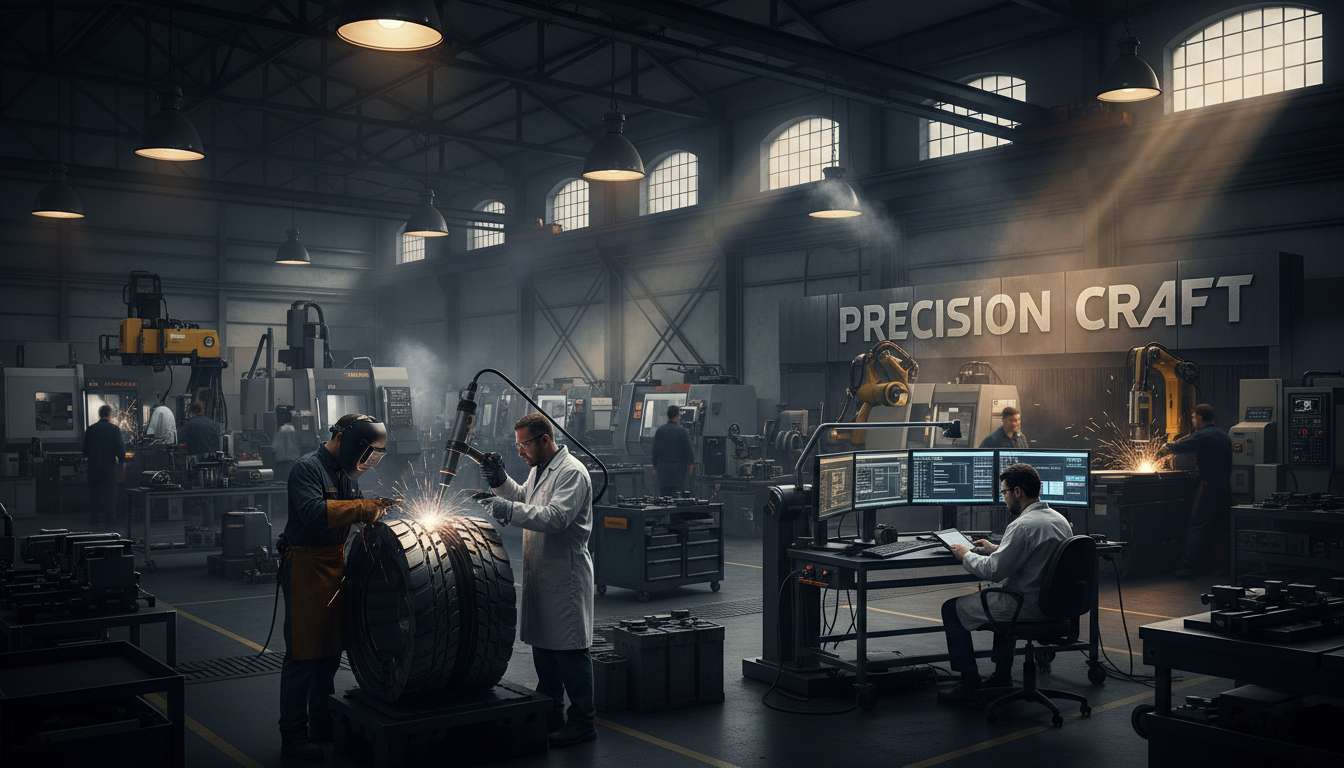
The primary challenge faced by the company was the inefficiency in their production line. High downtime, inconsistent product quality, and increased operational costs were significant hurdles that needed addressing. The management realized that traditional methods were no longer sufficient to meet the growing demands.
They required a solution that could offer real-time data analysis, predictive maintenance, and enhanced quality control. This is where AI technologies came into play, offering a comprehensive solution to these persistent problems.
Implementing AI Solutions
The company partnered with a leading AI service provider to implement a tailored solution. The integration process involved several stages:
- Identifying key areas for AI application.
- Developing a customized AI model.
- Integrating AI with existing systems.
- Training staff and monitoring initial performance.
This structured approach ensured a smooth transition and minimized disruptions to the production process.
Results and Benefits
The integration of AI resulted in remarkable improvements across the board. Some of the key benefits included:
- Reduced Downtime: AI predictive maintenance tools significantly lowered machine downtime by anticipating issues before they occurred.
- Enhanced Quality: AI-powered quality control systems enabled more precise defect detection, enhancing overall product quality.
- Cost Efficiency: Optimized operations and reduced waste contributed to substantial cost savings.
These results not only improved the company's bottom line but also strengthened their market position.
Employee Adaptation
One critical aspect of the AI integration was ensuring that employees adapted to the new technologies. The company invested in training programs to help the workforce understand and utilize AI tools effectively.
This empowerment of employees fostered a culture of innovation and collaboration, further enhancing operational efficiency and job satisfaction.
Future Prospects
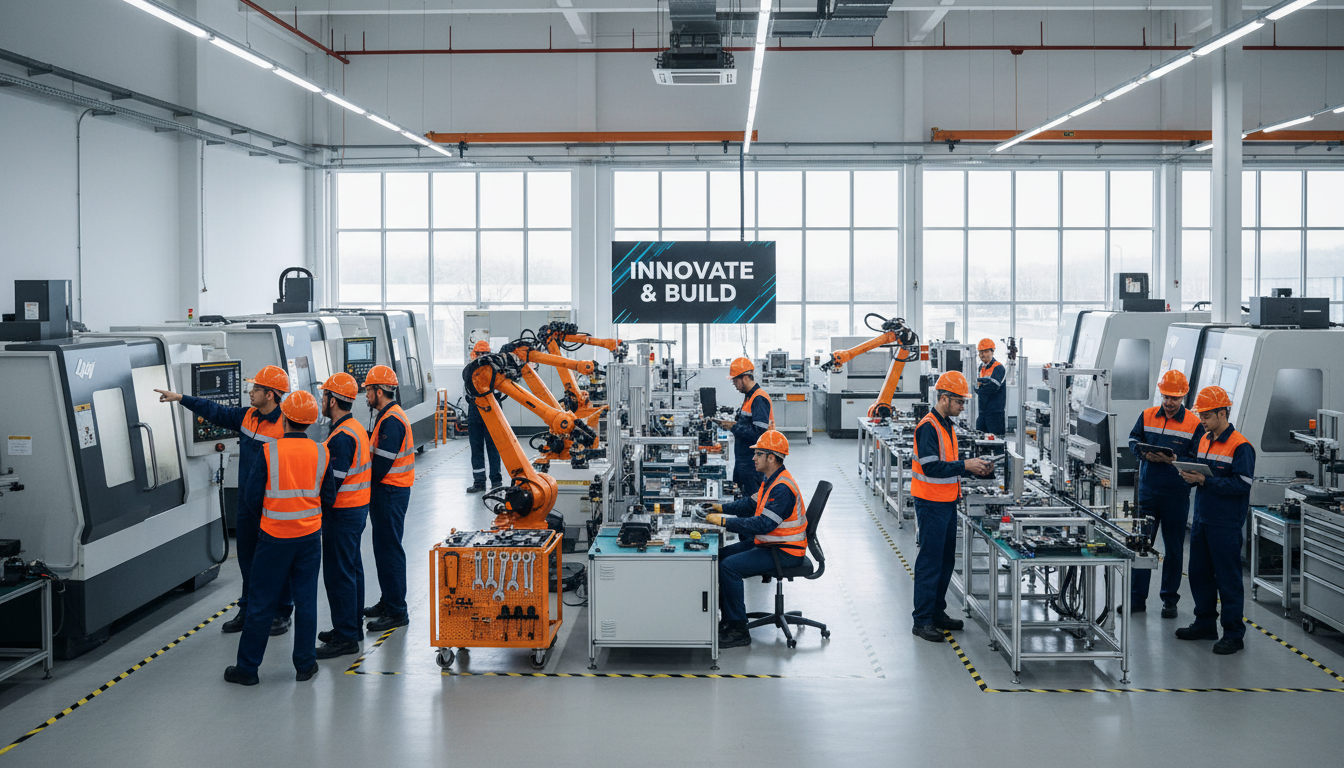
Looking ahead, the company plans to expand its AI capabilities. They are exploring opportunities to incorporate AI in areas such as supply chain management and customer service, aiming for a fully integrated smart manufacturing ecosystem.
The success of this AI integration serves as a blueprint for other manufacturers seeking to leverage technology for sustainable growth and competitiveness in the modern age.
Conclusion
In conclusion, the case study highlights the transformative potential of AI in manufacturing. By addressing critical challenges and offering innovative solutions, AI paves the way for a more efficient, cost-effective, and high-quality production environment.
For manufacturers considering AI integration, this case study exemplifies the strategic advantages and long-term benefits of embracing cutting-edge technology.