
AI for Manufacturing: Transforming Operations with Intelligent Automation


Artificial Intelligence (AI) is revolutionizing the manufacturing industry by introducing intelligent automation systems that enhance efficiency, reduce errors, and optimize operations. As manufacturers strive to stay competitive, integrating AI into their processes is becoming increasingly essential.
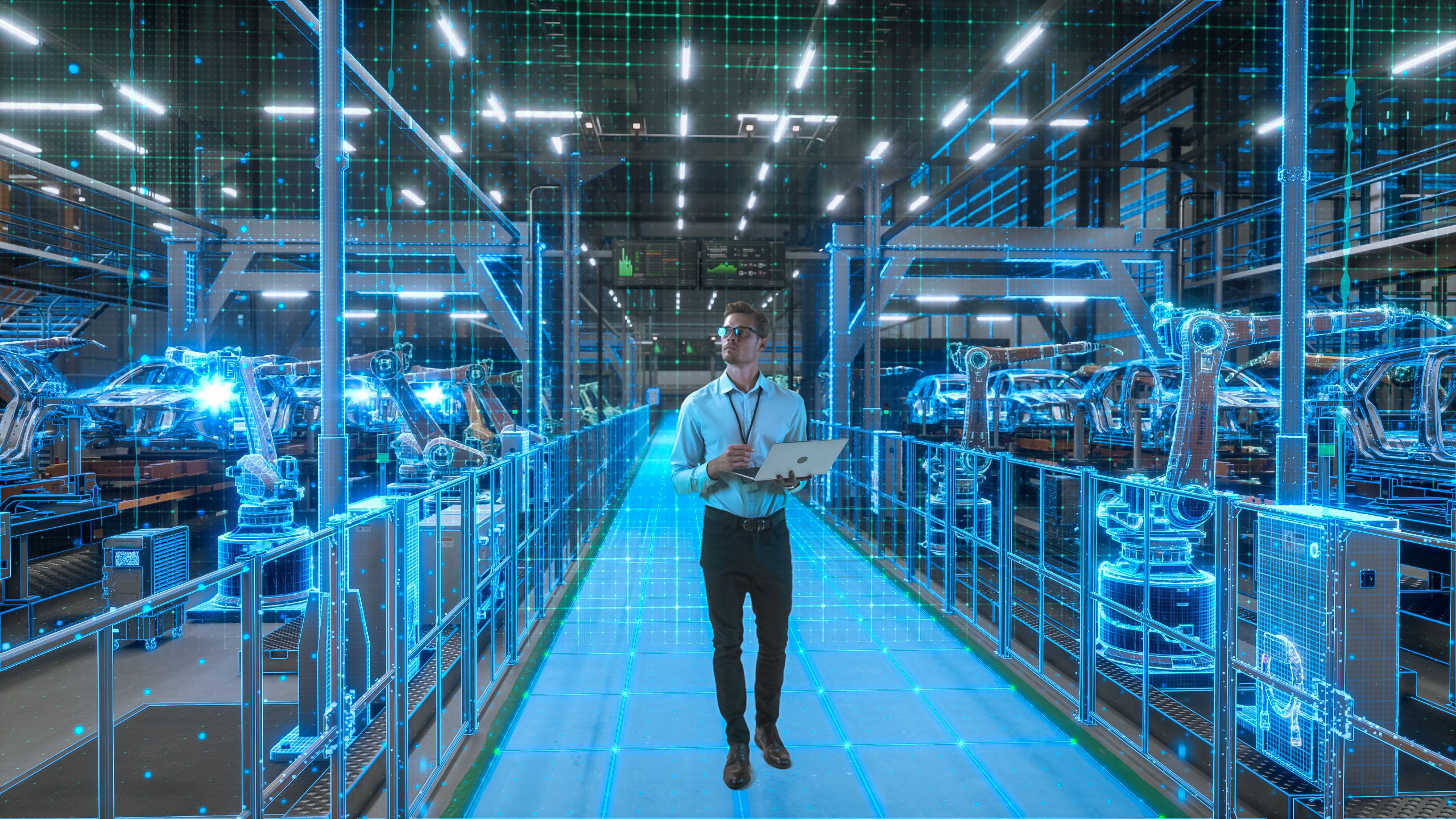
Enhancing Operational Efficiency
AI-driven automation streamlines operations by performing repetitive tasks with high precision and speed. This not only reduces human error but also frees up human workers to focus on more complex and creative tasks. AI systems can analyze vast amounts of data to identify patterns and optimize production schedules, leading to significant improvements in efficiency.
One of the key advantages of AI in manufacturing is predictive maintenance. By using AI algorithms, manufacturers can anticipate equipment failures before they occur, minimizing downtime and extending the lifespan of machinery. This shift from reactive to proactive maintenance can lead to substantial cost savings and increased productivity.

Improving Quality Control
AI technologies are also transforming quality control processes. With machine learning algorithms, manufacturers can detect defects and inconsistencies in products with greater accuracy than traditional methods. Automated quality checks ensure that only products meeting the highest standards reach consumers, enhancing brand reputation and customer satisfaction.
Moreover, AI systems can continuously learn and improve, adapting to new patterns and anomalies in production. This dynamic capability allows for ongoing enhancements in quality control, reducing waste and improving overall product quality.
Optimizing Supply Chain Management
The integration of AI in supply chain management is another game-changer for manufacturers. AI can forecast demand with impressive accuracy, helping companies manage inventory levels effectively and reduce excess stock. This ensures that resources are allocated efficiently, minimizing costs and maximizing profitability.

AI also enhances supply chain visibility by providing real-time data tracking and analytics. This enables manufacturers to respond quickly to disruptions and make informed decisions, enhancing resilience and agility in the face of unforeseen challenges.
Empowering Workforce with AI
While AI automates many tasks, it also empowers the workforce by augmenting human capabilities. By providing workers with AI-powered tools and insights, employees can perform their roles more effectively and make data-driven decisions. This collaboration between humans and machines leads to a more innovative and productive work environment.
Training and reskilling the workforce to work alongside AI technologies is crucial. Manufacturers investing in employee development will ensure a seamless transition to AI-driven operations, fostering a culture of continuous learning and adaptation.

The Future of AI in Manufacturing
As AI technology continues to evolve, its impact on the manufacturing industry will only grow. The future holds exciting possibilities, from advanced robotics to fully automated factories. Manufacturers that embrace AI today will be well-positioned to lead in tomorrow's competitive landscape.
In conclusion, AI is not just a tool for automation but a transformative force driving innovation in manufacturing. By enhancing efficiency, improving quality, optimizing supply chains, and empowering the workforce, AI is ushering in a new era of intelligent manufacturing operations.